
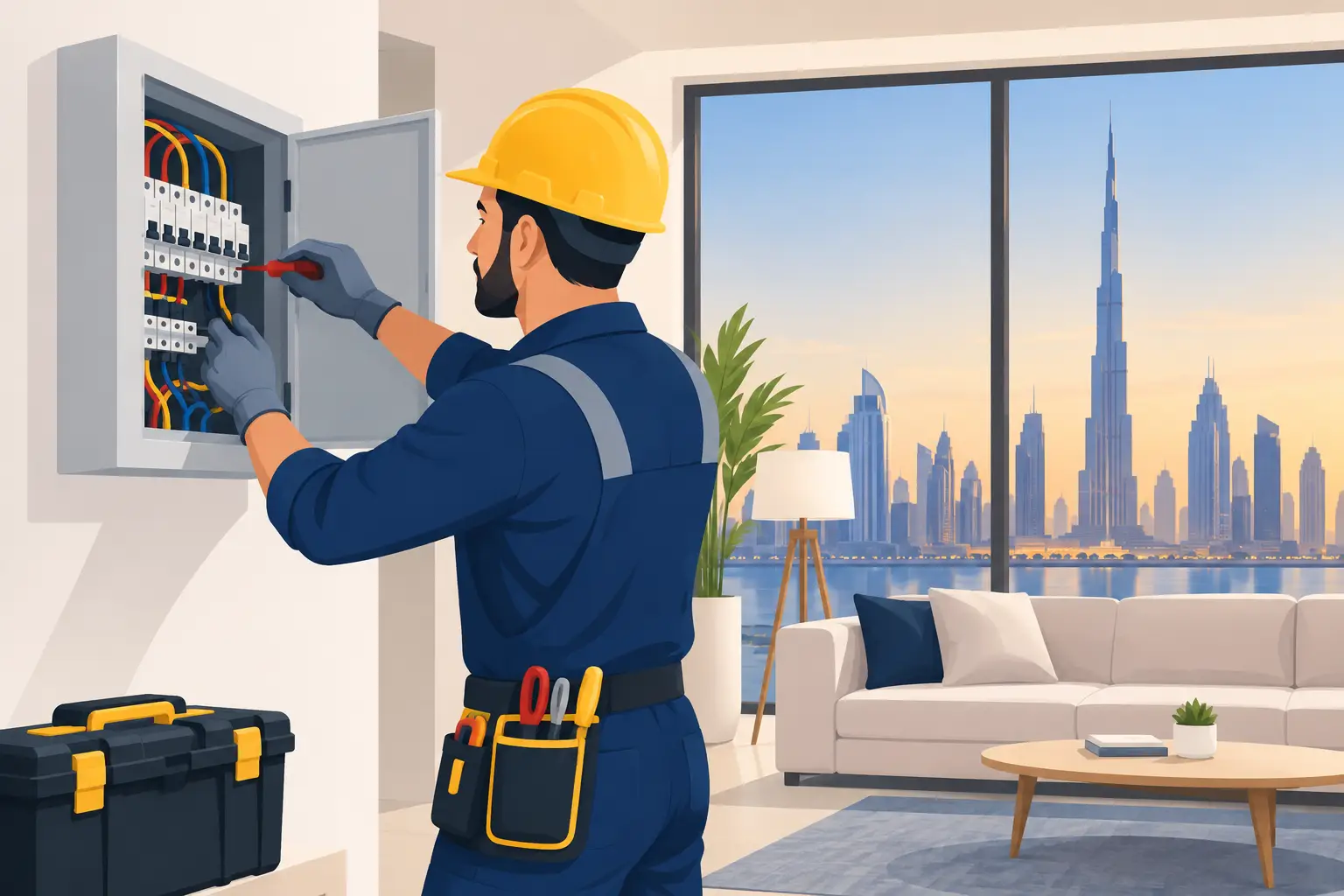
A burning smell near an outlet, a breaker that will not stay on, or lights that suddenly flicker across the house can turn a normal evening into a safety concern. When you need an emergency electrician for home Dubai residents can rely on, the priority is not restoring convenience as quickly as possible. It is making the property safe, identifying the real fault, and preventing a small electrical issue from becoming fire damage, equipment loss, or injury.
Dubai homes place heavy demands on electrical systems. Air conditioning runs for long periods, kitchens contain multiple high-load appliances, and villas may have pool equipment, garden lighting, pumps, outdoor sockets, and water heaters. A qualified technician can separate a minor nuisance from a genuine emergency and repair the issue without guesswork.
When to Call an Emergency Electrician for Home Dubai
Not every electrical fault requires an urgent callout. A single failed light bulb or a loose switch plate can usually wait for a scheduled visit. The situation changes when there is evidence of heat, sparking, repeated tripping, water exposure, or loss of power to essential systems.
Call for urgent professional support if you notice a burning odor from a socket, switch, distribution board, appliance, or ceiling fixture. Heat discoloration, melted plastic, buzzing, visible sparks, smoke, or a shock when touching a fitting are equally serious warning signs. Turn off power at the main switch only if it is safe to do so, keep people away from the affected area, and do not touch exposed wiring.
A circuit breaker that trips once may have reacted correctly to a temporary overload. If it trips again after you reset it, leave it off. Repeated tripping can indicate an overloaded circuit, a faulty appliance, damaged cable insulation, moisture inside a fitting, or a problem in the electrical panel. Resetting it again and again can make the fault worse.
Partial or complete loss of power also needs quick attention when it affects refrigeration, AC during extreme heat, lighting in access areas, water pumps, security systems, or essential medical equipment. A qualified electrician can determine whether the issue is within the home, isolated to one circuit, or related to the wider supply before repairs begin.
What to Do Before Help Arrives
The safest response is calm and simple. Do not attempt to open the electrical panel, remove a socket cover, or repair a cable yourself. Electricity can remain dangerous even when a device appears to be off, especially where wiring has been damaged or moisture is present.
If you can identify the affected circuit and reach the panel without risk, switch off that circuit. Switch off the main supply if there is smoke, active sparking, flooding near electrical equipment, or a strong burning smell. Keep children, pets, and household staff away from the area. If there is a fire or immediate threat to life, contact emergency services first.
Unplug portable appliances only when the plug and surrounding area are cool, dry, and safe to handle. Do not pull a plug from a scorched outlet or attempt to move an appliance that is wet. In a kitchen, laundry room, bathroom, or outdoor area, water changes the risk level significantly. Avoid standing on wet floors or touching metal surfaces near the suspected fault.
It also helps to note what happened just before the problem began. Did the breaker trip when the oven, water heater, AC, washing machine, or pool pump started? Did lights flicker after a storm or after maintenance work? This information gives the electrician a useful starting point and can reduce diagnosis time.
Common Electrical Emergencies in Dubai Homes
Overloaded circuits and failing breakers
Modern households use more power than many original circuits were designed to carry. Multiple kitchen appliances, chargers, entertainment equipment, and portable AC units can overload a circuit, particularly in apartments where several outlets share the same line. An overloaded circuit may trip frequently or cause outlets and plugs to become unusually warm.
The repair depends on the cause. Sometimes the answer is redistributing appliance use or replacing a failed breaker. In other cases, the property needs a dedicated circuit for a high-load appliance or an upgrade to aging electrical components. A proper assessment is safer than fitting a larger breaker, which can allow cables to overheat.
Water near electrical fittings
A plumbing leak above a false ceiling, moisture around an outdoor socket, or water entering a bathroom light fitting needs prompt attention. Water can corrode connections, create short circuits, and leave hidden damage that appears days later. Electrical repair may need to be coordinated with plumbing work so the leak is stopped before affected fittings, cables, or ceiling sections are restored.
This is where a one-team maintenance approach is particularly useful. Rather than arranging separate trades and hoping the handover is clear, the fault can be handled in the right order: make the electricity safe, resolve the water source, inspect the affected components, and complete repairs.
Faulty water heaters, AC units, and pumps
Water heaters, AC systems, and pumps combine high electrical demand with water, heat, or outdoor conditions. A heater that trips the breaker, an AC isolator that feels hot, or a pool pump that causes flickering lights should not be ignored. The underlying issue might be inside the appliance, at the isolator, in the cable, or at the circuit breaker.
There is a trade-off here. Replacing a visibly damaged component may restore power quickly, but it does not solve the problem if the cable size, earthing, or circuit protection is incorrect. A capable electrician tests the circuit and connections rather than treating the nearest visible part as the only cause.
Loose outlets, damaged wiring, and flickering lights
Flickering can be as simple as a loose lamp connection, but widespread flickering or dimming when appliances start may point to a more serious connection issue. Loose outlets and switches can arc behind the wall even if they still work. Older fittings, DIY alterations, and damage from drilling into walls all deserve professional inspection.
If a plug falls out easily, a switch crackles, or an outlet has marks around it, stop using it. Small signs are often the best opportunity to repair a fault before it becomes an after-hours emergency.
What a Professional Emergency Visit Should Include
An emergency electrical visit should begin with safety checks, not assumptions. The technician should isolate the affected area where needed, inspect the panel and visible connections, and test circuits to locate the fault. Depending on the issue, this can include checking breakers, cable continuity, earthing, load demand, outlets, isolators, light fittings, and connected appliances.
The right repair is not always the fastest-looking repair. For example, a tripped breaker may be responding to a defective appliance rather than failing itself. Replacing the breaker alone could leave the actual hazard in place. Likewise, a burned outlet may require inspection of the cable and terminal behind it, not just a new faceplate.
Ask for clear communication on what failed, what has been made safe, what repair is recommended, and whether any follow-up work is needed. Transparent advice matters for tenants seeking approval, landlords protecting an investment, and homeowners planning a lasting repair rather than a temporary patch.
Preventing the Next Electrical Emergency
Most emergencies give early warnings. Schedule an inspection when you move into an older property, complete a renovation, add high-load equipment, or notice recurring breaker trips. Villas with outdoor lighting, gates, pumps, and water heaters benefit from periodic checks because weather, irrigation, and general wear can affect external electrical points.
Avoid using extension leads as permanent solutions for major appliances. Do not overload power strips, cover cables under rugs, or use damaged chargers and plugs. For landlords and property managers, documenting electrical repairs and arranging routine maintenance helps protect both occupants and the asset.
An Annual Maintenance Contract can also make sense for homes with several systems to manage. Electrical checks can be planned alongside AC, plumbing, water heater, and general maintenance visits, reducing the chance that small defects are left until they disrupt the household.
When electrical trouble appears, trust the warning signs and choose safety over a quick reset. We Maintain provides dependable technical support for Dubai homes, helping restore power carefully while protecting the people and property behind every repair.
Leave a Reply