
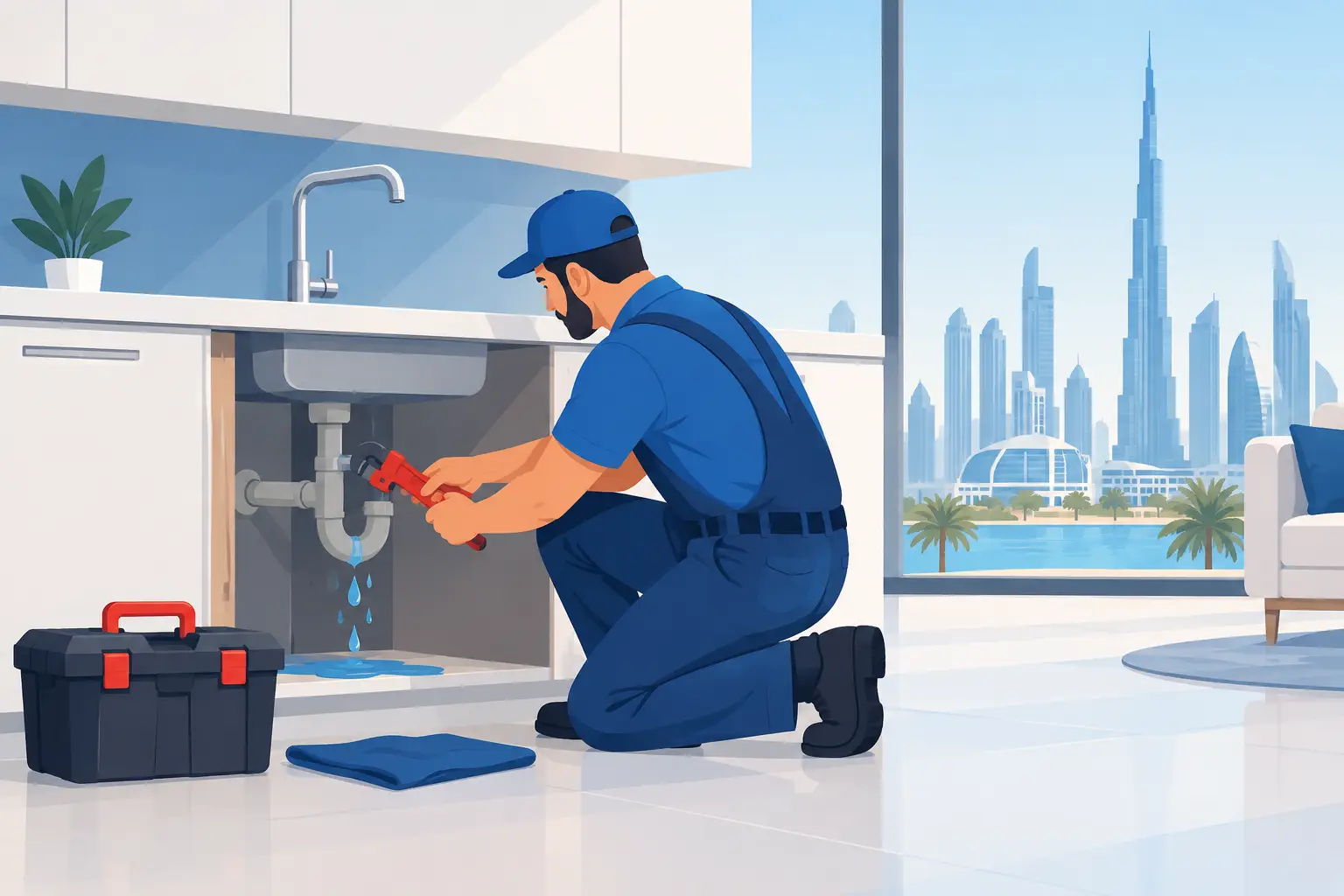
A burst pipe behind a washing machine, a toilet that will not stop overflowing, or water spreading across a kitchen floor can turn into serious property damage quickly. When you need an emergency plumber Dubai residents can rely on, the first few minutes matter: protect people, stop the water if possible, and arrange a qualified repair before a small leak affects flooring, ceilings, furniture, or neighboring units.
What Counts as a Plumbing Emergency?
Not every dripping faucet requires an urgent callout, although it should still be repaired before it wastes water or causes staining. A plumbing emergency is usually a fault that threatens safety, causes active water damage, interrupts an essential water supply, or creates a sanitation concern.
A pipe leak with water flowing from a wall, ceiling, or cabinet is urgent. So is an overflowing toilet, a blocked drain causing wastewater to back up, a failed water heater, or a sudden loss of water in a home or office. In apartments, water coming through the ceiling may be caused by a fault in another unit or a shared building line. It still needs immediate attention because delays can damage electrical fittings, gypsum ceilings, paintwork, and personal belongings.
The urgency can depend on the location and severity of the fault. A slow leak under a sink may be contained temporarily with a bucket and a closed isolation valve. Water pooling near electrical sockets, a leaking pipe above a false ceiling, or sewage backup should be treated as an immediate problem.
The First Steps Before a Plumber Arrives
Stay calm and focus on preventing further damage. Do not start removing wall panels, breaking tiles, or attempting improvised repairs with adhesives or tape. Those actions can hide the source of the fault, worsen a pipe crack, and make a proper repair more difficult.
First, turn off the nearest isolation valve if you can identify it safely. Sinks, toilets, washing machines, and water heaters often have local shutoff valves. If the leak continues or you cannot find the correct valve, close the main water supply to the property. In villas, this may be near the water meter or external utility area. In apartments, it is often located in a service cabinet, kitchen, bathroom, or utility area.
Next, keep water away from electricity. If water is close to sockets, appliances, light fittings, or extension cords, avoid touching them. Switch off power at the breaker only if the electrical panel is dry and safe to access. Otherwise, keep people away from the area and tell the technician about the electrical risk.
Move loose items, rugs, and electronics away from the affected area. Use towels or containers to limit spreading water, but do not place yourself at risk to do so. Taking a few photos of the visible damage can also help document the issue for a landlord, building management team, or insurance provider.
Emergency Plumber Dubai Services Should Address the Cause
A quick response is valuable, but a temporary patch is not always a complete solution. An experienced emergency plumber in Dubai should identify where the water is coming from, isolate the problem, and explain whether the repair is permanent or whether further work is needed.
For example, a leak below a basin might be caused by a loose trap fitting, a worn seal, corrosion, or a damaged flexible hose. Tightening one connection may solve the problem, but a cracked pipe or deteriorated valve needs replacement. Similarly, a ceiling leak may appear to be a plumbing fault in the room below when the actual source is a failed bathroom waterproofing layer, damaged grout, a leaking shower mixer, or an AC drain line above.
The right diagnosis protects your property from repeat callouts. It also helps avoid unnecessary work. A reliable technician should explain the condition found, the recommended repair, and any limits of the immediate solution before proceeding.
Common Plumbing Emergencies in Dubai Homes and Offices
Dubai properties face a mix of high water use, year-round AC operation, apartment living, and extensive hot-water systems. These conditions make certain faults especially common.
A leaking water heater deserves prompt attention. Rust, internal tank failure, pressure issues, and worn connections can cause water damage and disrupt hot water to the property. If you see water collecting around a heater, switch off its electrical supply if safe to do so, close the water valve, and arrange an inspection. Never continue using a visibly leaking electric water heater.
Blocked toilets and drains are another frequent issue. A plunger can sometimes clear a minor toilet blockage, but repeated blockages, foul smells, gurgling drains, or wastewater rising through a floor drain suggest a deeper obstruction. Chemical drain cleaners are not always the answer. They can damage older pipework, create hazards for technicians, and fail to remove a solid blockage further down the line.
Hidden leaks require particular attention. Higher water bills, peeling paint, damp patches, mildew odors, or recurring discoloration can all point to water escaping inside a wall, under flooring, or above a ceiling. The leak may seem minor at first, but moisture can spread well beyond the visible mark. Professional leak detection and repair are often more cost-effective than waiting for visible damage to grow.
When Building Management Needs to Be Involved
In a managed apartment building, the source of a leak is not always within your unit. It may come from an upstairs apartment, a common riser, a shared drainage line, or a building system. Notify building management promptly, especially if water is entering through the ceiling, affecting common areas, or appears to involve a shared pipe.
Tenants should also inform their landlord or property manager as soon as practical, particularly when a repair involves concealed pipes, sanitary ware, water heaters, or possible water damage. However, do not wait for administrative approval if water is actively spreading and immediate action is needed to prevent further damage. Record the issue, the steps taken, and the repair findings for clear follow-up.
For property managers and office administrators, an emergency response plan makes a real difference. Staff should know where the water shutoff valves are located, who has access to plant rooms or service cupboards, and how to report leaks after business hours. This reduces confusion when every minute counts.
Choosing a Dependable Emergency Plumbing Team
The right provider should offer more than a fast arrival. Look for a team that can assess the fault carefully, work cleanly in occupied homes or offices, and handle related maintenance needs without passing you between multiple contractors.
Ask what the technician expects to inspect and whether replacement parts may be required. Clear communication around the scope of work and pricing helps you make a practical decision under pressure. It is also sensible to ask whether the repair includes testing for leaks, checking affected fittings, and advising on any drying or restoration work needed afterward.
For homeowners and businesses that want fewer surprises, an Annual Maintenance Contract can shift property care from reactive repairs to planned inspections. Regular checks of plumbing fixtures, water heaters, pumps, drainage, AC condensate lines, and seals can reveal early signs of wear before they become an after-hours emergency.
We Maintain provides integrated technical support for homes and offices, so plumbing issues can be addressed alongside related electrical, AC, cleaning, painting, and repair requirements when the situation calls for it. This is particularly useful after a leak, when the repair may extend beyond the pipe itself.
Preventing the Next Plumbing Callout
Many emergencies begin as warning signs that are easy to postpone. Check under sinks periodically for moisture, keep drains clear of grease and unsuitable materials, and address a toilet that runs continuously or flushes poorly. Watch for changes in water pressure, unusual sounds in pipes, and stains that return after being painted.
Water heaters should be inspected and serviced according to their condition and usage. Flexible hoses, isolation valves, seals, and exposed fittings also deserve attention, especially in rental properties and frequently occupied commercial spaces. Small maintenance visits are easier to schedule than an emergency repair during a busy week.
A plumbing failure is disruptive, but it does not have to become a major property event. Shut off the water when safe, protect the area, involve building management where necessary, and choose a technician who will find the real cause. Prompt, careful action gives your home or office the best chance of staying dry, safe, and ready for normal life again.
Leave a Reply