
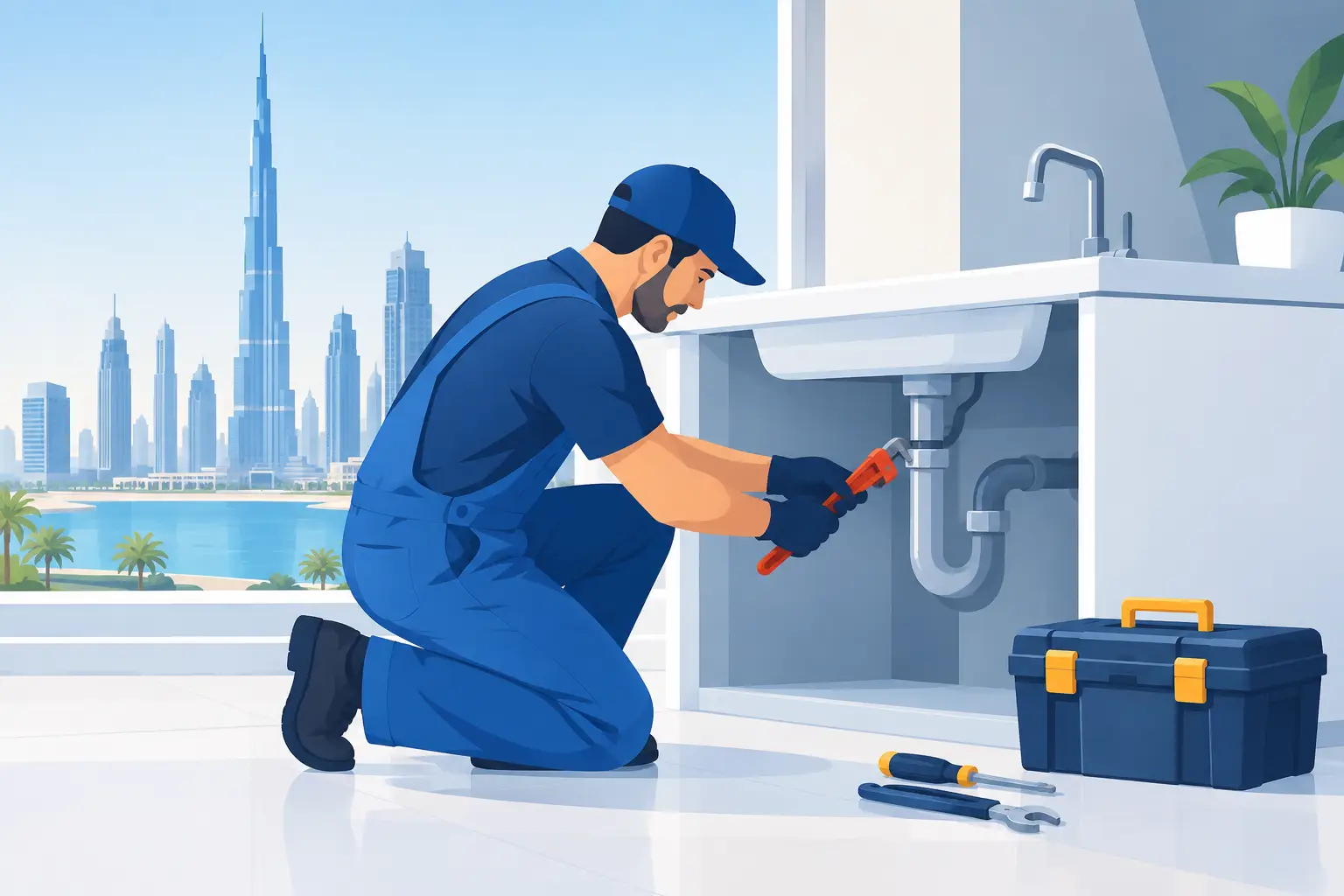
A small drip beneath a kitchen sink can look harmless in the morning and turn into swollen cabinetry, unpleasant odors, and a costly repair weeks later. In Dubai, where plumbing systems work hard under daily demand, a practical plumbing maintenance guide helps homeowners, tenants, landlords, and office managers spot issues before they disrupt the property.
Plumbing care is not about taking apart pipes or attempting technical repairs without the right tools. It is about noticing changes early, using fixtures correctly, and knowing when a qualified technician should investigate. A little routine attention protects water quality, avoids waste, and keeps a home or workplace running without unnecessary inconvenience.
Why Preventive Plumbing Care Matters
Most plumbing failures give warning signs. Water pressure may drop slowly, a drain may begin emptying more slowly than usual, or a toilet may run for longer after flushing. These issues are easy to postpone when life is busy, but they can point to mineral buildup, worn components, hidden leaks, or developing drainage blockages.
The cost of prevention is usually lower than emergency restoration. A blocked drain caught early may need straightforward cleaning. Leave it until wastewater backs up into a bathroom or pantry, and the job can involve sanitation, repairs, and damage to finishes. The same principle applies to concealed leaks. A technician can often repair a valve, seal, or flexible hose before moisture affects walls, floors, electrical points, or adjacent units.
For landlords and property managers, regular checks also help preserve the condition of an asset between tenancies. For families and business operators, they reduce the chance of losing access to essential bathrooms, kitchens, or staff facilities at the worst possible time.
Your Plumbing Maintenance Guide: Checks to Make Monthly
A monthly visual inspection takes very little time and does not require specialist knowledge. Start in the areas where water is used most often: kitchens, bathrooms, utility rooms, and around water heaters.
Look under sinks for moisture, corrosion, staining, or a musty smell. Run the taps and check whether water collects around the faucet base or drains slowly from the basin. Pay attention to a sudden change in water pressure. One weak faucet may have an aerator issue, while reduced pressure across several fixtures may require a broader assessment.
Test toilets by listening after a flush. If water continues to run into the bowl or tank long after flushing, an internal component may be worn. This can waste a surprising amount of water over time. Also check around the toilet base for movement, moisture, or discoloration on the surrounding floor.
In showers, remove visible hair from drain covers and watch how quickly water clears. Slow drainage is the time to act, not when water begins pooling around your feet. Avoid using harsh chemical drain cleaners as a routine solution. They can damage some pipes and seals, create fumes, and may not remove the underlying buildup effectively.
Protect Drains From the Start
Drain misuse is one of the most common causes of avoidable plumbing callouts. Kitchen sinks are designed for water and small food residue, not cooking oil, coffee grounds, rice, pasta, or heavy food waste. Grease may appear liquid when warm, but it cools and sticks to pipe interiors, gradually narrowing the line.
Bathrooms need the same care. Hair, soap residue, wipes, cotton products, and hygiene items can obstruct drainage. Even products labeled as flushable can cause problems in real plumbing systems. The safest approach is simple: only toilet paper and human waste should be flushed.
A few habits make a meaningful difference:
- Use drain strainers in kitchen sinks, showers, and bathroom basins.
- Collect cooking oil in a container and dispose of it properly instead of pouring it into the sink.
- Clear hair from shower drain covers regularly, especially in busy family bathrooms.
- Keep wipes, cotton buds, dental floss, and hygiene products out of toilets.
- Run water after using the kitchen sink to help move light residue through the pipework.
If a drain blocks repeatedly, do not keep forcing it with a plunger or chemical product. Recurring clogs can indicate a deeper obstruction, poor pipe alignment, buildup farther along the line, or a problem with the drainage connection. Professional diagnosis is the more dependable solution.
Watch for Leaks You Cannot See
Not all leaks create a visible puddle. Some develop behind cabinetry, within walls, under floor finishes, or near concealed toilet cisterns. The clues are often indirect: peeling paint, warped wood, unexplained mold, a persistent damp smell, or a water bill that rises without a change in usage.
A useful check is to turn off all fixtures and water-using appliances, then observe the water meter. If it continues moving, there may be a leak. This is not a final diagnosis, but it is a clear reason to arrange an inspection.
In apartments, quick action is particularly important because a leak can affect neighboring properties. In villas, exterior pipework, irrigation connections, and service areas also deserve attention. A minor leak outdoors can waste water unnoticed for months, especially when it is hidden by landscaping or paving.
Give Water Heaters the Attention They Need
Water heaters are often overlooked until there is no hot water. Yet they are an essential part of a comfortable home, particularly in properties with several bathrooms or high daily water use. Check periodically for drips around the unit, rust marks, unusual noises, or inconsistent water temperature.
A qualified technician should inspect safety valves, connections, heating elements, and general condition according to the unit type and manufacturer guidance. The right service schedule depends on the heater, water quality, household usage, and whether the property is occupied year-round. Older units or systems showing inconsistent performance may need more frequent attention.
Do not ignore a pressure-relief valve that drips continuously or a heater that makes loud popping sounds. Both can signal conditions that need professional assessment. For electric water heaters, avoid opening panels or attempting internal repairs yourself.
Seasonal and Vacancy Checks for Dubai Homes
Dubai properties can sit vacant during travel periods, summer holidays, or between tenants. Before leaving a home empty for an extended time, inspect visible plumbing points and consider shutting off the main water supply if appropriate for the property. This reduces the risk of an unnoticed leak continuing for days or weeks.
Before moving back in or handing over a rental property, run taps, flush toilets, inspect under sinks, and check water heater operation. If water has been sitting unused, allow taps to run briefly and look for discolored water, unusual odors, or low pressure. These are signs worth discussing with a technician rather than assuming they will resolve on their own.
Outdoor plumbing should not be forgotten. Check hose connections, irrigation lines, garden taps, and any water features for leaks. In villa communities such as Arabian Ranches, Dubai Hills Estate, Palm Jumeirah, and Jumeirah Village Circle, exterior areas can be a frequent source of unnoticed water loss.
When to Call a Plumbing Professional
Some tasks are suitable for routine property care, such as clearing a drain cover or replacing a basic washer. Others need trained attention because an incorrect repair can make the original problem worse. Call a professional promptly when you notice sewage odors, water staining on ceilings, repeated drain backups, a burst or visibly damaged pipe, no water supply, or signs of a water heater fault.
Urgent leaks should be handled immediately. If it is safe to do so, turn off the local isolation valve or main water supply, move valuables away from the affected area, and arrange a repair. Avoid covering the issue with sealant, tape, or temporary fixes that may conceal ongoing water damage.
For homes, offices, and managed buildings, planned maintenance is often more convenient than arranging separate emergency visits. A dependable maintenance partner can coordinate plumbing alongside electrical, water heater, AC, and general repair needs, giving property owners one accountable point of contact. We Maintain provides this kind of practical support for Dubai properties, from small plumbing repairs to ongoing maintenance arrangements.
Keep a Simple Service Record
A brief record of plumbing work makes future decisions easier. Note the date of repairs, the location of the issue, parts replaced, and any recommendations from the technician. This is especially useful for landlords, property managers, and offices with multiple washrooms or kitchens.
Patterns matter. If the same bathroom drain blocks every few months or a particular water heater repeatedly loses pressure, the property may need a more thorough solution than another temporary repair. Good maintenance is not just reacting faster. It is identifying the source of repeat problems and resolving them with care.
The best time to address a plumbing concern is when it is still a small concern. A quick inspection, sensible daily habits, and timely professional help can keep water where it belongs and your property comfortable, clean, and ready for everyday life.
Leave a Reply